As we continue celebrating ten years of GT3, we’re reflecting on the projects that have shaped our journey and helped define the principles that continue to guide our approach to People Architecture.
Completed in 2021, Aspire@ThePark represented an important milestone for both GT3 and Wakefield Council. More than another leisure centre, it reflected an evolving approach to designing places where sport, wellbeing and community could exist side by side.
Building on the success of Minsthorpe Leisure Centre, GT3 was appointed to help shape Aspire@ThePark within the landscape of Pontefract Park. At the time, it was the largest leisure and wellbeing hub ever created in the Wakefield district, reflecting the council’s long-term ambition to improve health, encourage activity and create lasting community value.
The ambition stretched far beyond replacing existing facilities. Working closely with Wakefield Council and local stakeholders, the brief evolved around creating a place that encouraged healthier lifestyles while becoming a destination people would naturally choose to visit. The result was a building that blurred the boundaries between recreation, fitness and everyday community life, recognising that leisure is about far more than physical activity alone.
From the outset, the architecture responded directly to its surroundings. Rather than imposing itself on the landscape, the building was designed to sit comfortably within Pontefract Park, using natural materials, sweeping forms and generous glazing to strengthen the relationship between the leisure hub and its setting. Views across the park became an integral part of the visitor experience, creating a constant visual connection between the activities taking place inside and the landscape beyond.
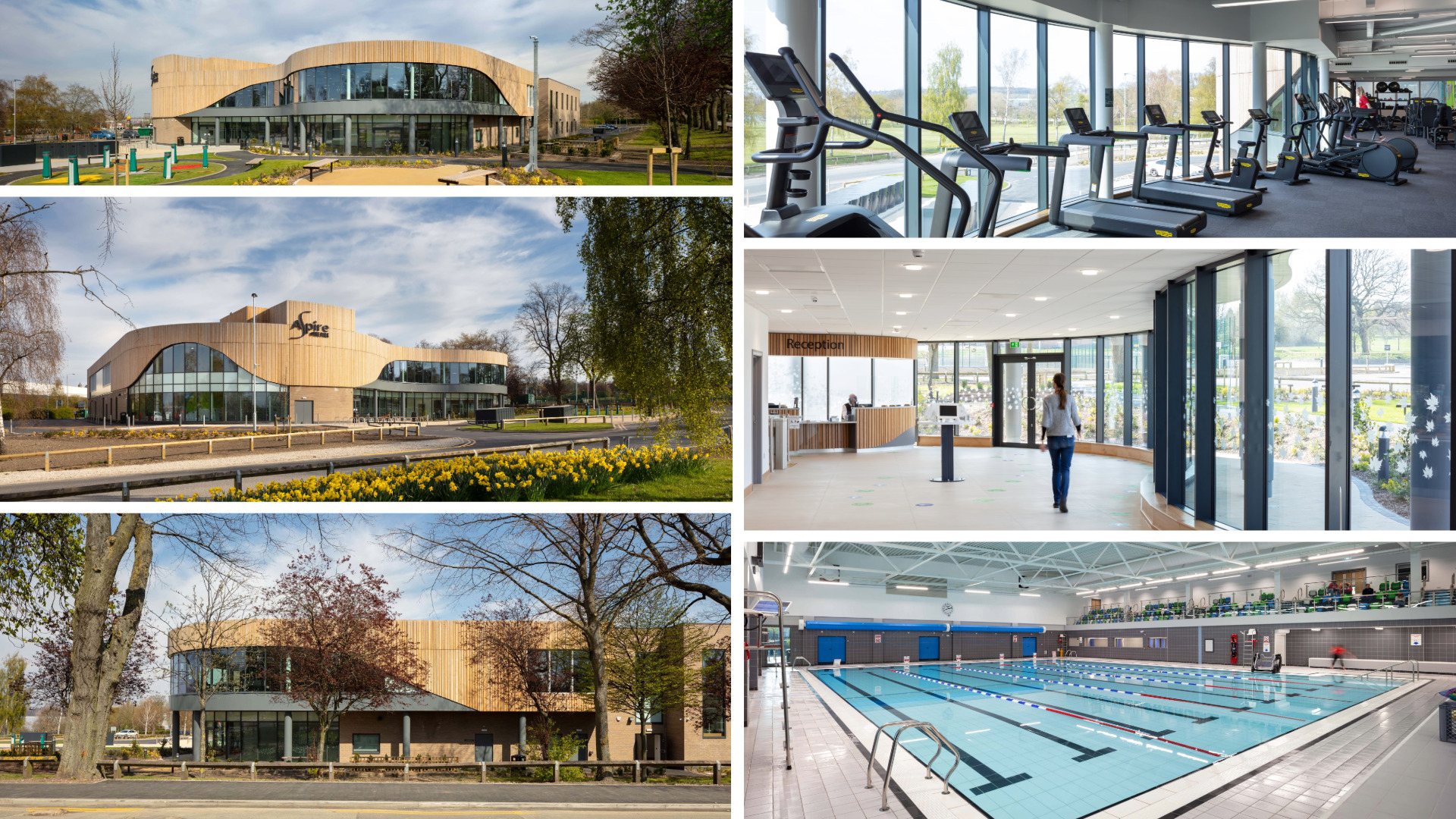
This relationship between building and park influenced every aspect of the design. The arrival experience was carefully considered, while external spaces encouraged visitors to spend time outdoors before and after using the facilities. The building became another destination within the park itself rather than simply a facility positioned alongside it.
Inside, the hub brought together an extensive range of spaces designed to support people of all ages and abilities. Alongside a 25-metre, ten-lane competition swimming pool and a 20-metre learner pool with a movable floor, the building incorporated a modern fitness suite overlooking the park, clip and climb facilities, flexible studios, community spaces, a café and dedicated wellbeing areas. Features including a splash pad and interactive bouldering wall reflected a growing understanding that encouraging activity begins with creating enjoyable, engaging experiences for everyone.
Importantly, Aspire@ThePark was never solely about the building itself. Throughout the design process, engagement with local clubs, community groups and organisations including Dementia UK helped inform decisions around accessibility, inclusivity and wayfinding. Those conversations reinforced a simple principle that continues to underpin GT3’s work today: great leisure buildings should remove barriers, creating welcoming environments where everyone feels able to participate.
Looking back, it is easy to recognise Aspire@ThePark as one of the projects that helped shape GT3’s approach to leisure design. Rather than focusing purely on sport, it embraced a wider understanding of health and wellbeing, creating spaces that encouraged movement, social interaction and everyday community life under one roof.
Suzanne Blair, Director and Sport & Leisure Lead, reflects:
“Aspire@ThePark felt like a significant step forward for us as a practice. We had already delivered successful leisure projects, but this one challenged us to think much more broadly about the role these buildings could play within their communities.
From the beginning, there was a shared ambition to create somewhere people would choose to spend time, whether they were swimming, meeting friends for a coffee or simply enjoying the setting within Pontefract Park. Looking back now, many of the principles we explored through this project continue to influence the way we approach leisure and wellbeing design today.”
Construction reached its final stages during one of the most challenging periods the industry has ever experienced. As the COVID-19 pandemic unfolded, Aspire@ThePark was completed despite unprecedented restrictions, standing ready to welcome its community when circumstances allowed. While its opening was inevitably quieter than originally imagined, the project’s purpose remained unchanged. If anything, the importance of accessible spaces that support physical health, mental wellbeing and social connection became even clearer.
Cllr Lukasz Borcz, Wakefield Council’s Cabinet Member for Culture and Sport, said: “Aspire@ThePark represents an important investment in the future health and wellbeing of our district. From the outset, our ambition was to create a space which appealed as much to those who find being active harder, to those who are regular enthusiasts. We wanted a welcoming destination where residents of all ages could ‘move more’, spend time together and enjoy everything the wider Pontefract Park has to offer too. Five years on, it continues to play an important role within our community and remains a facility we’re incredibly proud of, which is working hard to help us tackle health inequalities.”
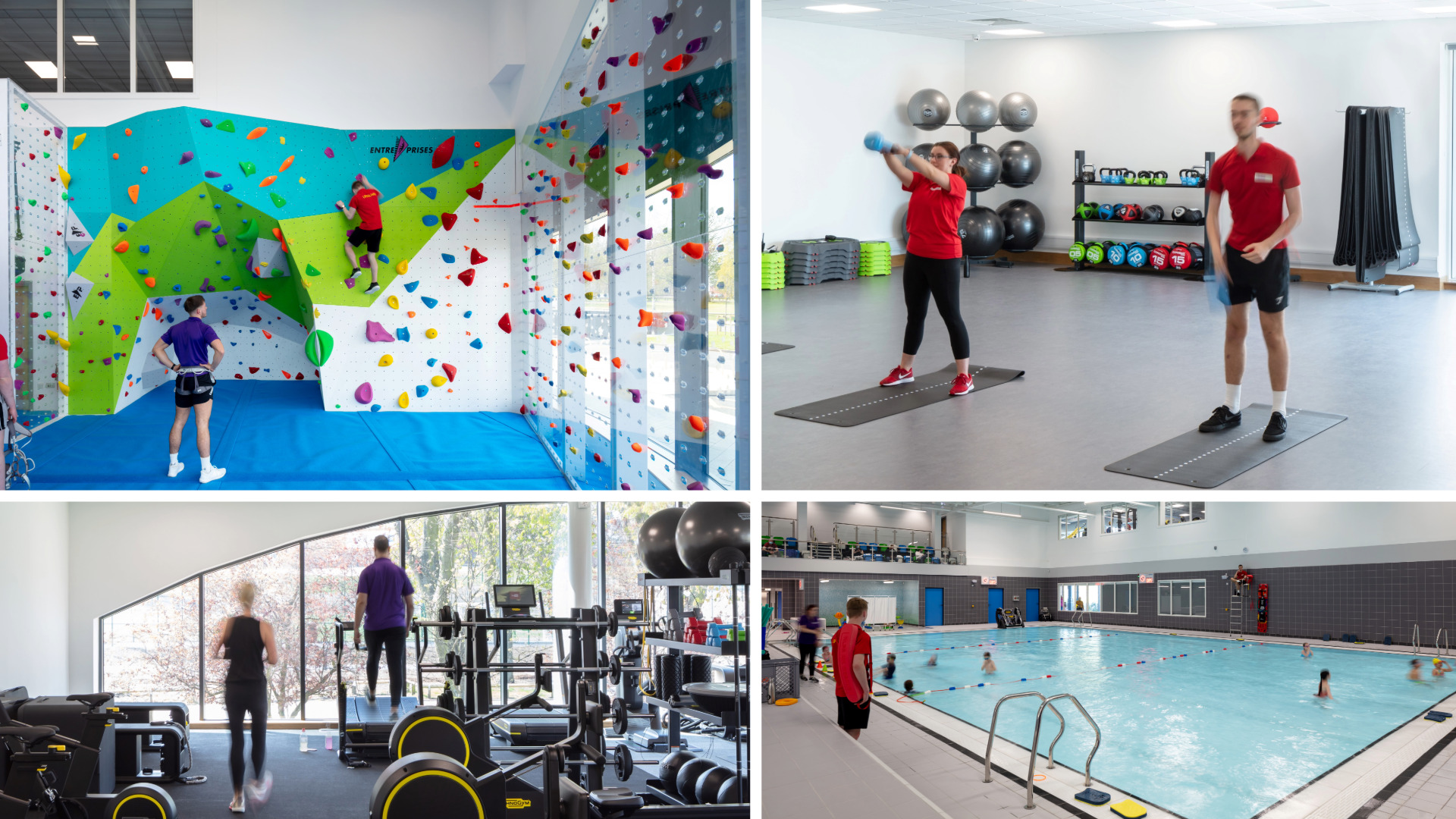
Today, the hub continues to demonstrate what can be achieved when architecture is shaped around the people who use it every day. Families, sports clubs, schools and community groups have made it part of everyday life, fulfilling the original ambition of creating a destination that supports healthier lifestyles while strengthening connections across the Wakefield district.
As part of our GT3 Turns 10 series, this project represents another important chapter in our story. It helped shape our understanding of what leisure architecture could become, reinforcing the belief that the most successful places are those designed around people first.
Looking back, it’s easy to see how the thinking behind this project continues to influence our work today.
Another chapter in the story of People Architecture.